FAQ
Here are the answers to the most frequently asked questions. If you can't find what you're looking for, don't hesitate to contact us!
CATEGORIES


Cleaning
-
How should glossy or lapped surfaces be cleaned without leaving streaks?
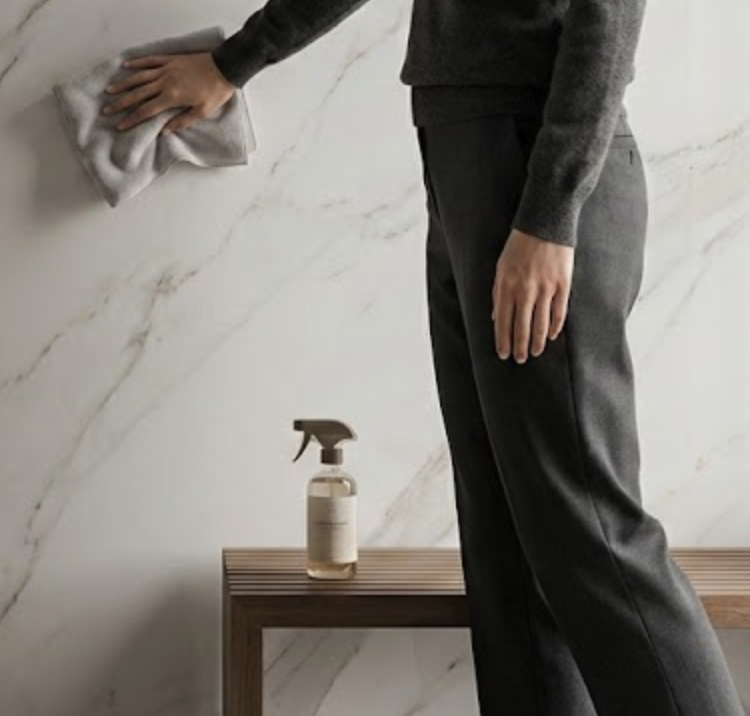
We recommend using a neutral detergent diluted in warm water. The use of abrasive tools, such as steel wool, as well as acidic or wax-based products, should be strictly avoided.
-
How should surfaces be protected after installation and before the site is handed over?
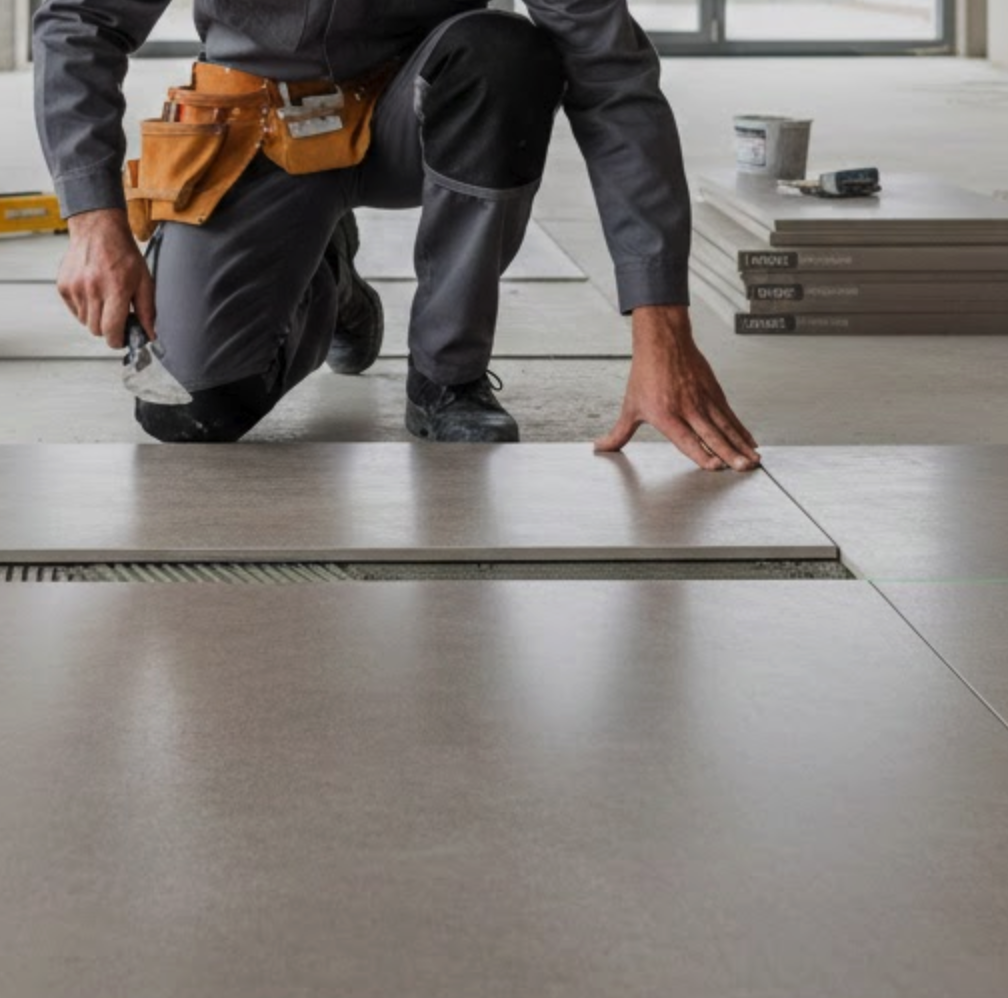
Glossy, satin-finished or lapped products must be carefully covered and protected during subsequent construction work. It is also necessary to wait 48–72 hours before allowing foot traffic on the floor.
-
How does cleaning differ depending on whether the grout is cement-based or epoxy?
Epoxy grout offers very high performance but must be removed promptly, strictly following the manufacturer’s instructions, as allowing it to harden could damage the surface. Cement-based grout can be removed with a damp sponge at the end of the day.
-
Which detergents should be used for routine cleaning?
Use a general-purpose neutral detergent, readily available on the market, diluted in warm water (e.g. Fila Cleaner or Faber Floor Cleaner).
-
Which products should be avoided?
Waxes, oily soaps, impregnating products and all abrasive products, such as metal scouring pads, should be avoided. The use of hydrofluoric acid-based products or derivatives, such as stain removers or rust removers, is strictly prohibited, as they can irreparably corrode the glaze.
-
Is it necessary to test the detergent before use?
Always. It is strongly recommended to carry out a preliminary test of the detergent on an uninstalled or very inconspicuous area of the material, leaving it to act for a maximum of 10–15 minutes, and then assessing the result before proceeding on the entire floor.
-
How should lapped, glossy or polished surfaces be cleaned?
Do not use any type of abrasive tool. Dirt should be removed exclusively with a neutral detergent and soft cloths or sponges to avoid streaks or scratches.
-
How should textured, grip or outdoor surfaces be cleaned?
In the case of heavy dirt trapped in the surface texture, use an alkaline-based detergent, always followed by a very thorough rinse to remove all residues.
-
How should kitchen worktops, bathroom furnishings and furniture surfaces be cleaned?
As with normal flooring: use neutral detergents and damp cloths, and completely avoid corrosive products containing hydrofluoric acid.
-
How should large-format slabs be cleaned after installation?
Use standard alkaline or neutral detergents (e.g. Fila Cleaner), rinsing thoroughly. It is important not to use acidic detergents containing hydrofluoric acid (HF), as it irreversibly damages all ceramic surfaces.
-
Why is post-installation cleaning essential?
It removes dirt, construction dust and micro-residues from installation, such as sand, which could cause premature and irreversible wear to the ceramic surface through friction caused by foot traffic.
-
When should post-installation cleaning be carried out?
For cement-based grouts, cleaning should begin at the end of the working day, and any remaining residue should be thoroughly removed as soon as the surface is walkable. In the case of epoxy grouts, it is essential to pay close attention to the curing times specified by the manufacturer.