FAQ
Here are the answers to the most frequently asked questions. If you can't find what you're looking for, don't hesitate to contact us!
CATEGORIES

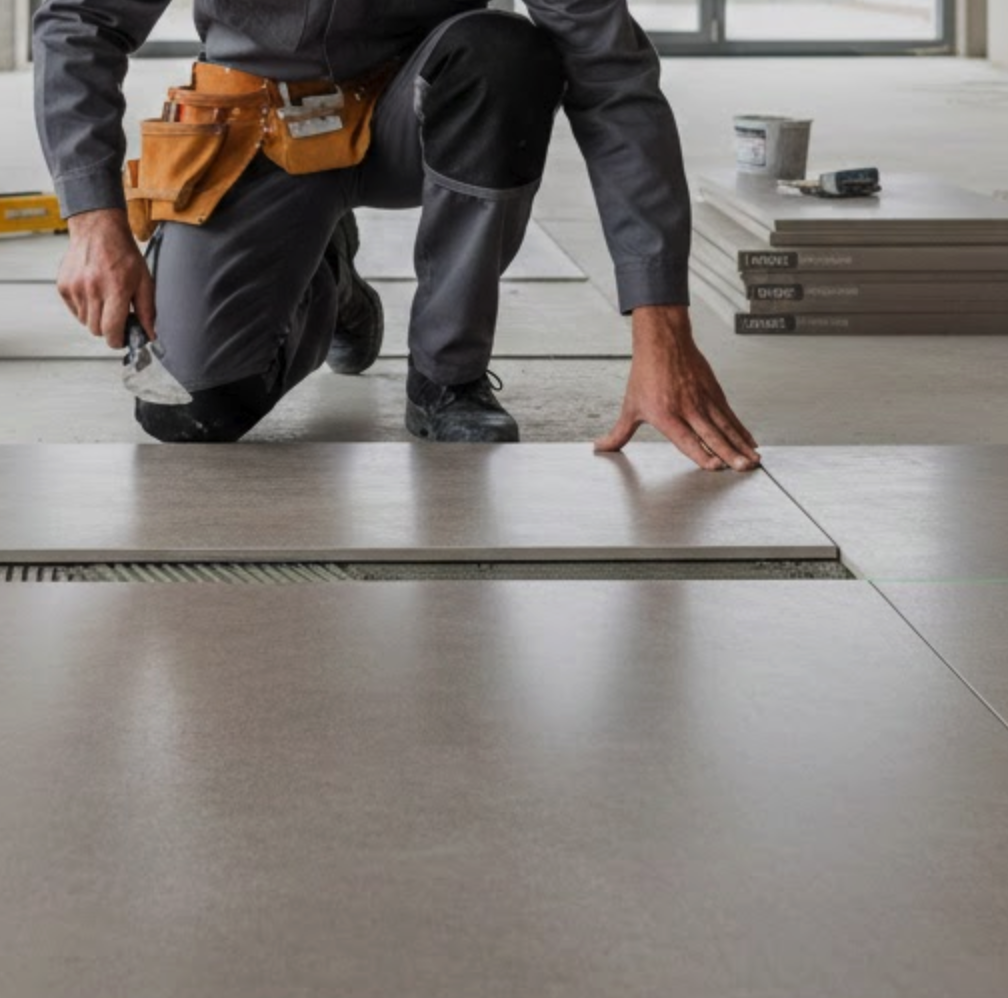



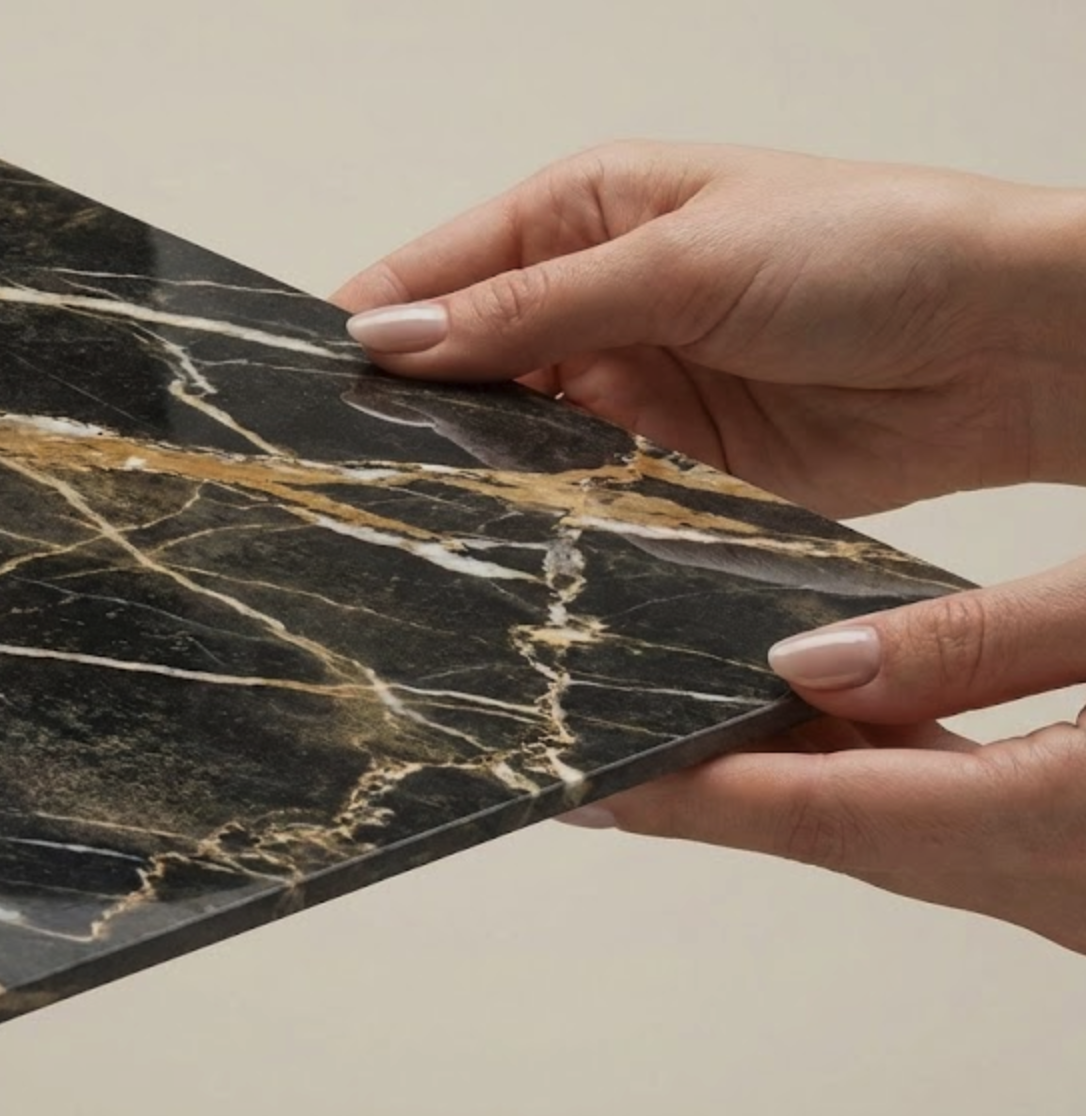
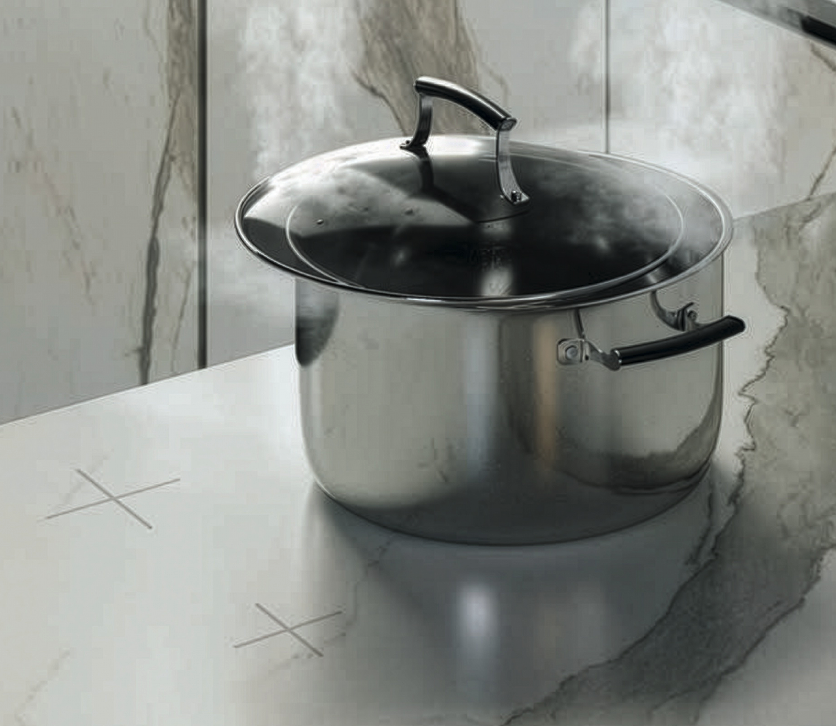
Installation
-
What should I check before starting installation?
It is essential to ensure that the substrate is dry, fully cured, level, compact, and free from cracks and debris. In addition, lay out at least 3 m² of the product on the floor to check the size, shade, and overall aesthetic effect.
-
Is it possible to install tiles without grout joints?
No, installation without grout joints (closed joint) is strongly discouraged, as it does not allow for the natural structural movements of the surface or any significant temperature fluctuations.
-
Which adhesives should be used for installation?
The use of full-bed, cement-based powder adhesives classified as C2F (E) S1/S2 is recommended. For applications on special substrates, such as large slabs on reinforced supports, use elastic or deformable adhesives.
-
How should surfaces be protected after installation and before the site is handed over?
Glossy, satin-finished or lapped products must be carefully covered and protected during subsequent construction work. It is also necessary to wait 48–72 hours before allowing foot traffic on the floor.
-
Where should waste generated during installation be disposed of?
Porcelain stoneware is not considered hazardous waste. Construction waste must be disposed of in accordance with current local and official regulations.
-
How can tiles be cut safely and exposure to dust be reduced?
To reduce the possible inhalation of crystalline silica dust, the use of water-fed electric tile cutters or the score-and-snap method is recommended. Appropriate respiratory PPE (masks), eye and hand protection must be used, and work should be carried out in well-ventilated areas.
-
What is the difference between a natural edge and a rectified edge?
Rectified products allow installation with a minimum grout joint of 1 or 2 mm, while products with natural edges should be installed with a joint of at least 3 mm to compensate for slight dimensional variations.
-
How many operators are required to handle a slab safely?
All formats larger than 100 cm require at least two installers. Depending on the thickness, handling large slabs may require between two and four properly equipped people.
-
What equipment is required for handling, cutting and drilling slabs?
Professional equipment is required, such as handling bars with suction cups or dedicated frames. For cutting, guide rails with scoring carriages, bridge saws with diamond blades for porcelain stoneware, or waterjet cutting are recommended; contouring machines can be used for holes.
-
Which suction cups or handling bars are recommended for large-format slabs?
The use of rigid handling bars fitted with suction cups and mounted on dedicated frames is recommended, as they increase the slab’s rigidity and reduce dangerous flexing during lifting.
-
How should slab packaging be transported, stored and opened correctly?
They should be transported vertically, with the edges protected from impacts. In storage, they must be kept on wooden A-frames or racks with rubber protection and secured with straps to prevent falls and deformation.
-
How should large-format slabs be cleaned after installation?
Use standard alkaline or neutral detergents (e.g. Fila Cleaner), rinsing thoroughly. It is important not to use acidic detergents containing hydrofluoric acid (HF), as it irreversibly damages all ceramic surfaces.
-
Why is post-installation cleaning essential?
It removes dirt, construction dust and micro-residues from installation, such as sand, which could cause premature and irreversible wear to the ceramic surface through friction caused by foot traffic.
-
When should post-installation cleaning be carried out?
For cement-based grouts, cleaning should begin at the end of the working day, and any remaining residue should be thoroughly removed as soon as the surface is walkable. In the case of epoxy grouts, it is essential to pay close attention to the curing times specified by the manufacturer.
-
Where can I download technical data sheets, safety data sheets and installation instructions?
They can be found in our catalogues and in the dedicated “Download” section of our corporate website.